


‘The Return of the Neophron’ LIFE+ project on SSIG meeting 2014
20.05.2014- Home
- Useful information
- ‘The Return of the Neophron’ LIFE+ project on SSIG meeting 2014
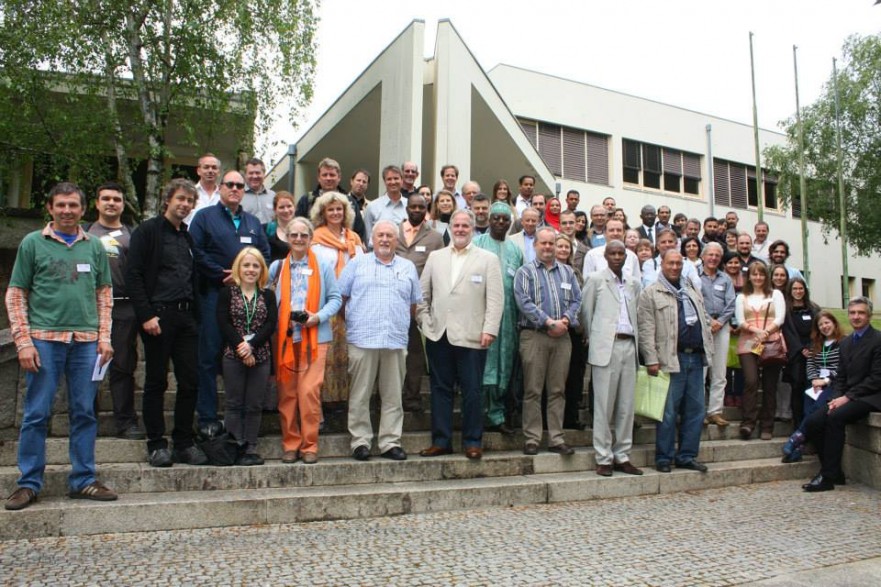
The 14th Sahelo-Saharan Interest Group (SSIG) Annual Meeting was held in Porto between 30th of April and 2nd of May 2014. The meeting is an annual forum for all those working in wildlife conservation within the arid areas of North Africa and the Middle-East and provides an opportunity to bring people together to share ideas and projects, and to continue a strong tradition of collaboration on behalf of Sahelo-Saharan wildlife and people. The meeting format includes a series of presentations and discussion groups covering a range of topical issues.
The SSIG meeting was hosted by BIODESERTS group at the Research Center in Biodiversity and Genetic Resources of the University of Porto (CIBIO/UP) and facilitated by the Conservation & Science Committee of the Sahara Conservation Fund (SCF).The event gathered about 70 participants from 15 countries from all over the world.
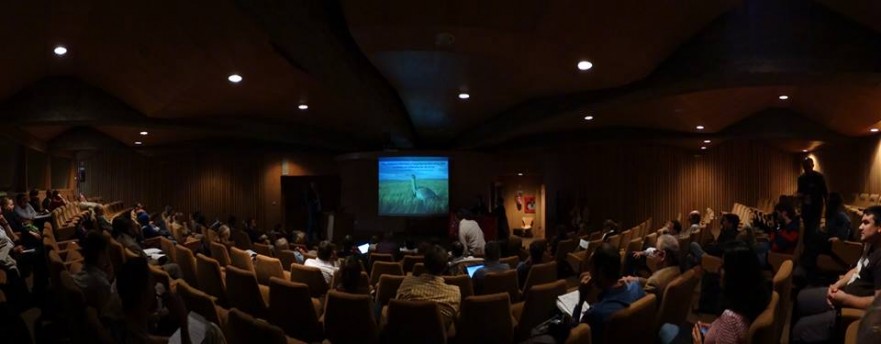
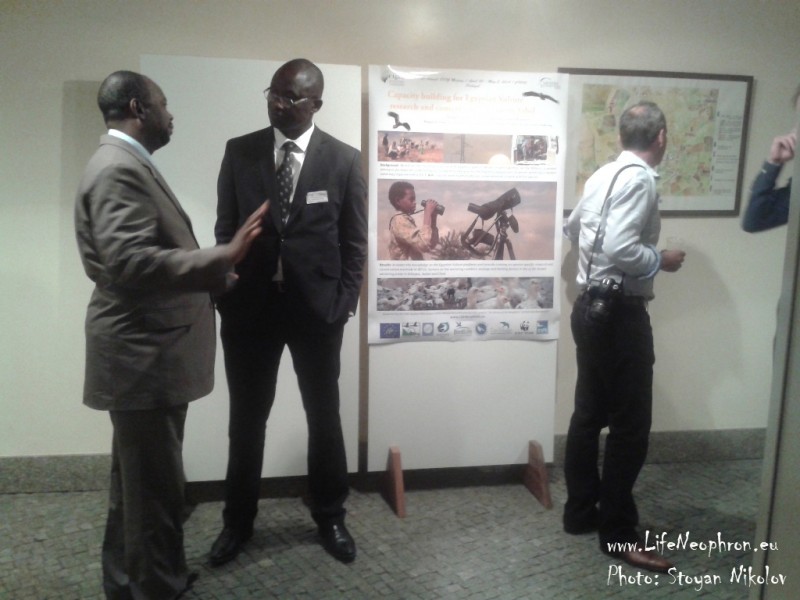
“The Return of the Neophron” LIFE+ project took participation with a presentation about “Egyptian Vulture on the Balkans: threats and implications for conservation along the flyway and in the wintering grounds in Sahel zone” and a poster “Capacity building for Egyptian Vulture research and conservation in eastern Sahel”.
The presentation was focused on the overview of the LIFE project activities with emphasis on the threats along the flyway and in the wintering grounds. In Europe, the species is a long-distance migrant spending the winter in Africa, being declined with 50% over the last 50 years, and on the Balkans – with 80% over the last 30 years. The population decline is considered related not only to negative factors operating within the breeding grounds but also along the flyway. However, relatively little is known on the ecology and threats for the species during migration and in the wintering grounds. In 2012 and 2013 a total of 19 Egyptian Vultures (1 adult and 18 juveniles from the Balkans) were tagged with satellite transmitters under the LIFE+ project. The mortality rate of the first year birds was 67%. Natural barriers, direct persecution, non-intentional poisoning and electrocution were evidenced as serious threats for the Balkan Egyptian Vultures in their wintering grounds. Capacity building in local stakeholders, NGOs and institutions, awareness campaigns to local communities, and more research on the scale and magnitude of the threats are urgently needed in order to secure the species on its wintering grounds in Sahel zone.
The poster presented the results from a capacity building initiative under the LIFE+ project and small scale project funded by CMS-Raptors MoU in 2013. The aim was to broaden the understanding and increase the skills among African conservationists in Eastern Sahel to work with the species, by providing them with current information on the Egyptian Vulture problems and a training on species-specific research and conservation methods in Africa. Surveys on the wintering numbers, ecology and limiting factors in two of the main so far known wintering areas of the Balkan population in Sudan and Chad, as well in Ethiopia, were also initiated. The results of the surveys provided important information about vulture‘s wintering territories and threats in eastern and central Africa. Two training Seminars (with theoretical and practical parts) were organized in Ethiopia and Bulgaria to share information and exchange experience for the conservation actions and practices important for the prevention Egyptian vulture extinction. A total of 32 conservationists from 11 countries (Chad, Sudan, Ethiopia, Somalia, Djibouti, Bulgaria, Greece, FYROM, Albania, Turkey, and United Kingdom) took participation in the seminars.
Important meetings were held between the LIFE+ project and the SCF, as well as with representatives and decision-makers from Niger and Chad in relation to the future collaboration for vulture conservation in Africa.
The door of the artificial nest is now open


 iordanka.goranova@bspb.org
 +359 (02) 979 95 00

